

Game, Fish,
and Wildlife
Waller Hall Research provides high-stakes insights for the game & fish sectors across the Rocky Mountain West and Great Plains, bridging the strategy gap between government agencies, businesses, and the region’s hardest-to-reach rural, indigenous, and local populations.

The Regional Advantage: Insights Rooted in the West
In the Rocky Mountain West and across the Great Plains, a "cold call" from an out-of-state area code often goes unanswered. In these regions, trust isn't given; it’s earned through shared language, local knowledge, and an understanding of the land.
Cultural Fluency
Our researchers and agents understand the nuances of the "Western Way." We speak the language of tags, seasons, conservation easements, and water rights. This cultural alignment reduces "respondent fatigue" and increases participation rates among wary stakeholders.
Geographic Context
From the sagebrush steppe of Wyoming to the river bottoms of Nebraska, we understand the geographic barriers and lifestyles of the people we call. This allows us to design studies that respect the seasonal rhythms of rural life, like avoiding harvest peaks or opening weekend of rifle season.
The "Unreachable" Populations
In the West, "unreachable" means "unwilling to talk to a stranger." We bridge this gap with peer-to-peer rapport, turning skeptical gatekeepers into participants. We ensure your data includes the vital rural voices that usually stay off the grid.
Authentic Engagement
Most call centers use robotic scripts. WHR relies on actual rapport. In the West, a successful interview starts with a shared understanding of the weather or the land. WHR builds trust through local fluency, ensuring respondents feel connected, validated, heard rather than processed.

In the hunting and fishing industries, "respondents" are more than just numbers; they are conservationists, heritage-keepers, homesteaders, and technical experts.
WHR has adapted its core research methodologies into a suite of specialized solutions designed to meet the unique demands of the Rocky Mountain West and Great Plains wilderness.
Industry-Specific Solutions
Hyper-focus on Group Segmentation
Traditional phone scripts fail in the backcountry. Our toolkit is designed for the reality of the West

Multi-Generational Landowners
Private land is the backbone of Great Plains hunting. We navigate the "handshake culture" of ranchers and farmers, moving past the suspicion of "government or corporate" intrusion to gather honest perspectives on land use, access, and conservation easements.

Backcountry
Hunters & Anglers
These are high-effort, low-incidence individuals who are often "off-grid." We utilize specialized recruitment channels, from tag-holder databases to localized outdoor forums, to reach those who spend their seasons in the most remote corners of the Rockies.
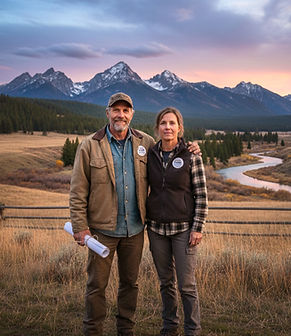
Remote Conservationists
We engage with the field technicians, local river keepers, and grassroots advocates who live in the communities they protect. Their insights are often more granular and "field-tested" than high-level policy data.

Indigenous
Knowledge Holders
Much of the region’s best hunting and fishing occurs on or near Tribal lands. We honor indigenous data sovereignty and use qualitative storytelling to ensure traditional ecological knowledge is reflected in modern research.